Action cameras are essential tools for capturing dynamic scenes with precision and clarity. Whether you’re filming extreme sports or everyday adventures, stabilization plays a crucial role in ensuring smooth footage. This guide explores how stabilization impacts video quality, helping you make informed decisions for stunning videography. We’ll delve into different stabilization types, offer practical tips, and examine the real-world applications to enhance your filming skills. By understanding the intricacies of stabilization, you unlock the potential to capture breathtaking moments with unrivaled clarity, elevating your creative projects to new heights.
Understanding Stabilization and Its Impact on Video Quality
Stabilization is crucial in minimizing camera shake and producing smooth, professional-looking videos. It compensates for vibrations and motion-induced blur, enhancing visual clarity. High-quality stabilization directly affects the sharpness and fluidity of footage, allowing action cameras to capture scenes seamlessly. For instance, Insta360 Ace Pro 2 utilizes an elite 1/1.3” 8K sensor designed for unparalleled imaging, combined with FlowState Stabilization to ensure impossibly smooth videos regardless of movement. Effective stabilization also aids in low-light conditions, reducing noise caused by camera movement. Understanding how stabilization mechanisms work empowers users to maximize video quality, producing content that stands out for its detail and steadiness, crucial for both amateur and professional videographers.
Types of Action Camera Stabilization Explained
Optical, Electronic, and Sensor-Based Stabilization
Optical stabilization uses lens adjustments to counteract camera movement physically. It functions by shifting elements within the lens, which helps reduce motion blur. Electronic stabilization, seen in many action cameras, relies on software algorithms to correct shaky footage, cropping and adjusting frames digitally. Sensor-based stabilization involves shifting the sensor in response to movement, maintaining video steadiness effectively. If you're wondering What is the best action camera, understanding how different stabilization technologies work can help you choose a model that delivers consistently smooth and professional footage. Cameras like the Insta360 Ace Pro 2 utilize sophisticated combinations of these methods, ensuring that users can count on exceptional stabilization even in demanding situations.
External Tools and Software Stabilization Methods
External tools like gimbals provide an additional layer of stabilization by balancing the camera on motorized axes. These devices offer superior control over movement, allowing for cinematic smoothness even in challenging environments. Software solutions, often integrated into editing suites, post-process footage to stabilize it further. Programs adjust frames within sequences, compensating for unwanted shake. Combining hardware and software stabilization equips users with enhanced control over their video quality. Cameras with FlowState Stabilization, like the Insta360 Ace Pro 2, are complemented by advanced software features to enrich overall footage stability and quality during post-production.
How Stabilization Affects Real-World Video Performance?
Shooting in Motion: Sports, Travel, and Action Scenes
Action cameras are built to capture high-octane scenarios like sports events, travel journeys, and action-packed scenes where stability is key to quality footage. Effective stabilization like Insta360’s FlowState meticulously tracks motion, ensuring that even rapid movements result in consistent, smooth captures. This technology allows adventurers to focus on the thrill without worrying about video quality being compromised. Whether filming while running or on a speeding vehicle, superior stabilization transforms potentially shaky footage into visually coherent stories, making every adventure shareable and immersive for viewers.
Low Light, Fast Movement, and Image Quality Trade-offs
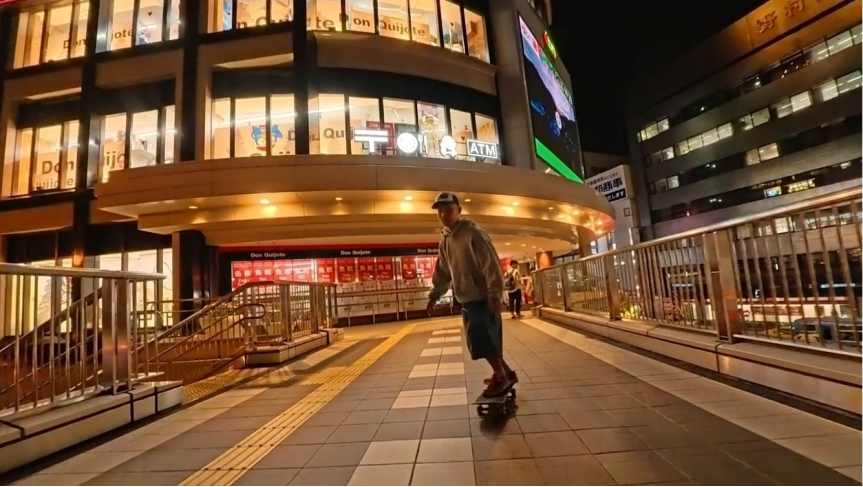
In low-light situations, stabilization becomes even more demanding. Rapid movements coupled with insufficient lighting can drastically affect image quality. Action cameras with superior sensor technology, like the Insta360 Ace Pro 2’s 8K sensor, mitigate these challenges with precision, optimizing exposure and detail. However, maintaining balance between light sensitivity and stabilization is crucial, as aggressive stabilization might limit dynamic range and detail retention. Finding the right balance allows filmmakers to navigate low-light conditions effectively while ensuring motion doesn’t degrade image integrity, providing audiences with captivating nocturnal visuals.
Tips to Improve Action Camera Stabilization and Video Quality
Camera Settings, Mounting, and Shooting Techniques
Optimal camera settings are vital for leveraging stabilization effectively. Adjust settings to match environmental conditions and shoot in higher resolutions for more detailed image processing. Secure mounting minimizes extraneous movement, critical for tracking the subject fluidly. Utilize shooting techniques like panning smoothly and maintaining focus on steady subjects. Choosing scenes with balanced lighting also aids stabilization systems, enhancing visual output. Mastery of basic tactics influences the clarity of captured footage, ensuring that stabilization mechanisms work in the user’s favor for polished videography.
Using Advanced Features for Better Results
Explore advanced camera features that leverage stabilization technology uniquely. Turn on advanced stabilization modes available on devices like the Insta360 Ace Pro 2 to optimize the shooting experience. Features like automatic horizon leveling enhance video stability, ensuring uninterrupted content capture. Experiment with field-of-view adjustments to better accommodate stabilization performance across varying scenarios. Utilizing these specialized features elevates video quality, offering creative versatility and ensuring every film project resonates with professionalism and finesse.
Conclusion
Stabilization is the cornerstone of achieving high-quality action camera footage. Its impact on video clarity and fluidity makes it essential for capturing the essence of any dynamic activity. Understanding types and applications empowers users to select suitable technology and techniques tailored to their needs. By leveraging advanced features and practicing effective stabilization methods, one achieves superior results, transforming ordinary footage into visually compelling narratives. As action cameras evolve, staying informed about stabilization opportunities ensures each filmed moment is portrayed with precision and captivating beauty, reinforcing the importance of stabilization in modern videography.