Portable solar power generators have become essential for camping trips, outdoor work, emergency backup, and off-grid living. Unlike traditional generators, these units combine solar energy technology with battery storage to provide a clean, quiet, and sustainable power source. However, not all portable solar generators are created equal. Design and portability are two key factors that determine usability, convenience, and overall satisfaction. A well-designed generator can make setup faster, transport easier, and storage more efficient. When choosing a portable solar generator, understanding the balance between size, weight, power output, and durability is crucial. This guide explores how design influences portability, the key features that make generators easier to handle, and practical tips to select a model that fits your lifestyle. By focusing on design and portability, users can maximize efficiency without compromising on functionality.
Why Design Matters in Portable Solar Generators
The design of a portable solar generator affects everything from ease of use to longevity. A thoughtful design allows you to transport the generator without strain, operate it efficiently, and protect it against wear and tear.
Compact vs. Large Designs
Generators come in various sizes. Compact designs are ideal for short trips or light power needs, such as charging phones, laptops, or small appliances. They are easier to carry and store, often weighing under 20 pounds. Large designs, while more powerful, can be heavy and require wheels or handles for mobility. When selecting a generator, consider your typical use scenario. If portability is a priority, a compact model is often more practical.
Material and Build Quality
Durable materials like reinforced plastics, aluminum frames, or weather-resistant coatings improve longevity. Generators with robust construction withstand outdoor conditions, bumps, and accidental drops. Lightweight materials reduce overall weight but should not compromise durability. Look for designs that balance weight with resilience. Quality hinges, secure panel mounts, and sealed connections also enhance reliability and ensure the generator performs consistently in various environments.
Key Features That Enhance Portability
Portability is not only about weight; it’s also about ease of handling and practical features.
Lightweight Construction
Lightweight materials make it easier to carry a generator over long distances. Many models now use advanced lithium-ion batteries instead of traditional lead-acid batteries, significantly reducing weight while maintaining power output. A lighter generator is easier to lift onto vehicles, tents, or rooftops.
Handles, Wheels, and Carrying Options
Designs with built-in handles, extendable trolleys, or wheels allow effortless movement. Some generators feature multi-grip handles for two-person carrying or compact wheels for rolling over uneven terrain. These features are especially helpful for larger units that may be heavy but still need to remain portable.
Foldable or Modular Components
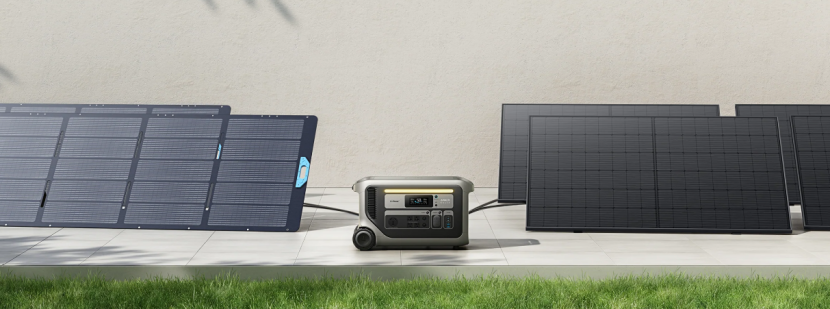
Some generators have foldable solar panels or modular battery packs. Foldable panels reduce bulk during storage and transportation, while modular designs let you swap batteries or expand capacity based on your needs. This innovation improves portability without sacrificing performance, making generators versatile for different situations.
How to Choose a Portable Solar Generator?
Selecting the right portable solar power generator requires balancing power, portability, and practical features.
Matching Size and Weight to Your Needs
Assess how you plan to use the generator. For weekend camping trips, a smaller, lightweight model may be sufficient. For long-term off-grid living or powering larger appliances, a bigger, heavier generator may be necessary. Consider the distance you will carry the generator and the surfaces it will traverse. Choosing the right size ensures convenience without sacrificing necessary power.
Power Output vs. Portability Trade-off
Higher power output generally means a heavier unit with larger batteries. If you prioritize portability, you may need to accept slightly lower output or shorter runtime. Conversely, if your devices require more energy, consider models designed with wheels, handles, or modular components to compensate for the extra weight. Carefully evaluating your power requirements and mobility needs helps you find a generator that fits your lifestyle.
Common Design Innovations in Modern Generators
Modern portable solar generators include design innovations that improve both performance and portability.
Integrated Solar Panels
Some generators come with integrated or attachable solar panels, eliminating the need for separate panels. This simplifies setup, reduces the number of components to carry, and minimizes the risk of losing parts. Integrated panels often fold into the generator’s body, making it compact and easy to transport.
Smart Storage and Charging Solutions
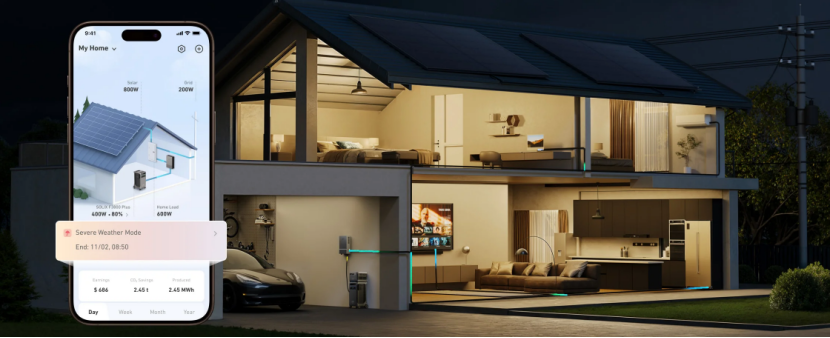
Advanced generators include multiple charging ports, smart battery management, and app connectivity. These features allow users to monitor battery levels, optimize solar charging, and prevent overloading. Some designs include cable storage compartments or docking slots, which keep cables organized during transport. Smart design choices make the generator easier to use and maintain while improving overall portability.
Conclusion
Portable solar generators are powerful tools for anyone needing off-grid electricity. A well-designed unit combines compactness, durability, and smart features to make transportation and setup simple. When evaluating generators, consider weight, handles, foldable panels, and modular components alongside power requirements. Modern innovations enhance convenience without sacrificing performance. By prioritizing design and portability, users can enjoy reliable, eco-friendly power wherever it is needed. Choosing the right portable solar generator ensures that energy is always within reach, whether for camping, outdoor work, or emergency backup.